
We help people, teams and companies structure challenges, build capabilities and make change stick — hands-on, experienced and at eye level.
Sometimes the line between coaching and consulting is fluid. In an initial conversation, we clarify together which form of support fits your situation.
For individuals or small teams who want to develop, reflect, or build specific skills.
For companies, departments or leadership teams seeking expert support on concrete tasks or change initiatives.
We bring experience from industry, services, logistics, automotive, pharma, mechanical engineering, energy, education and other sectors.

Support with planning, steering, facilitation and delivery of projects — whether classic, agile or hybrid.
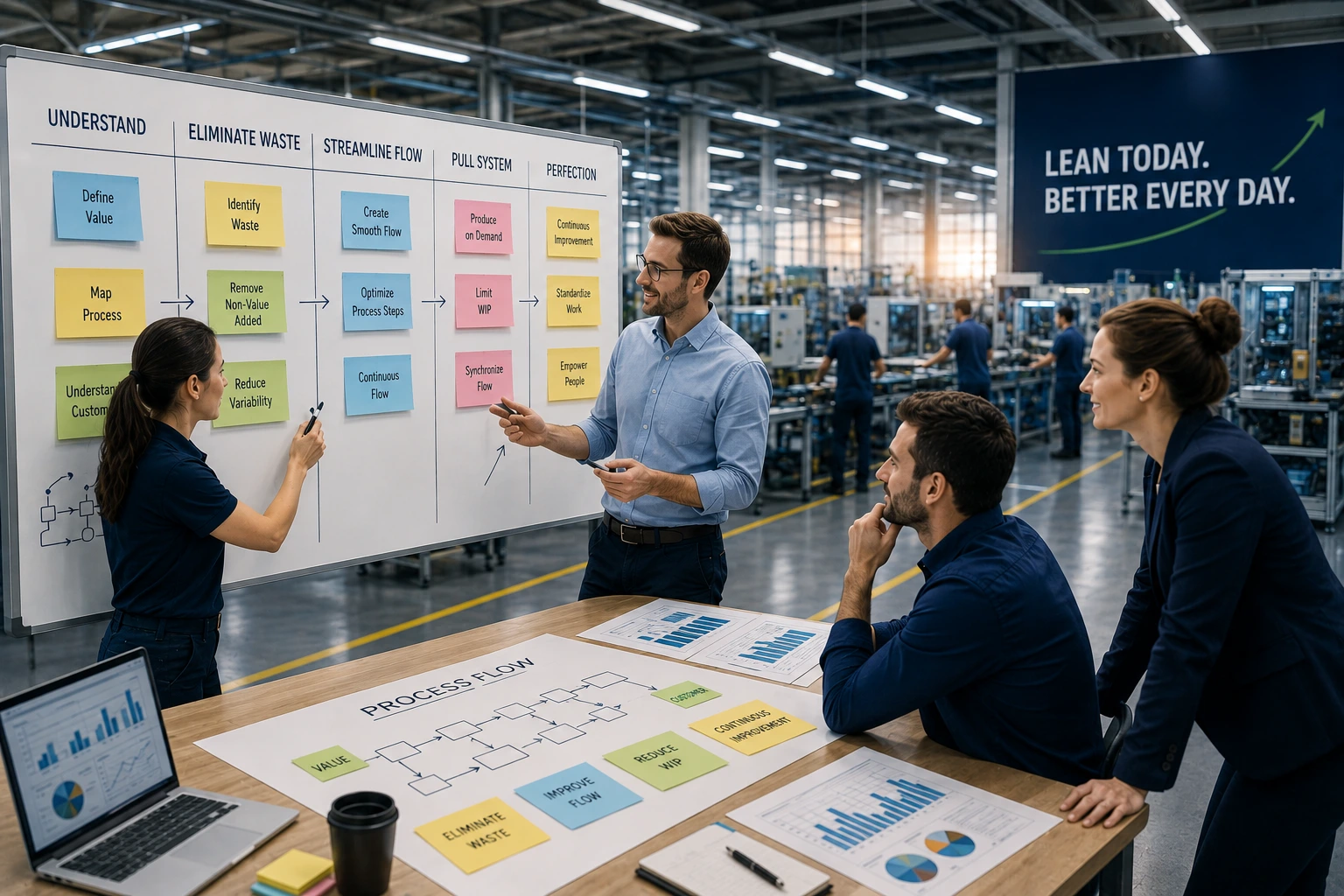
Guidance in building effective improvement structures, clear processes and sustainable execution in everyday work.
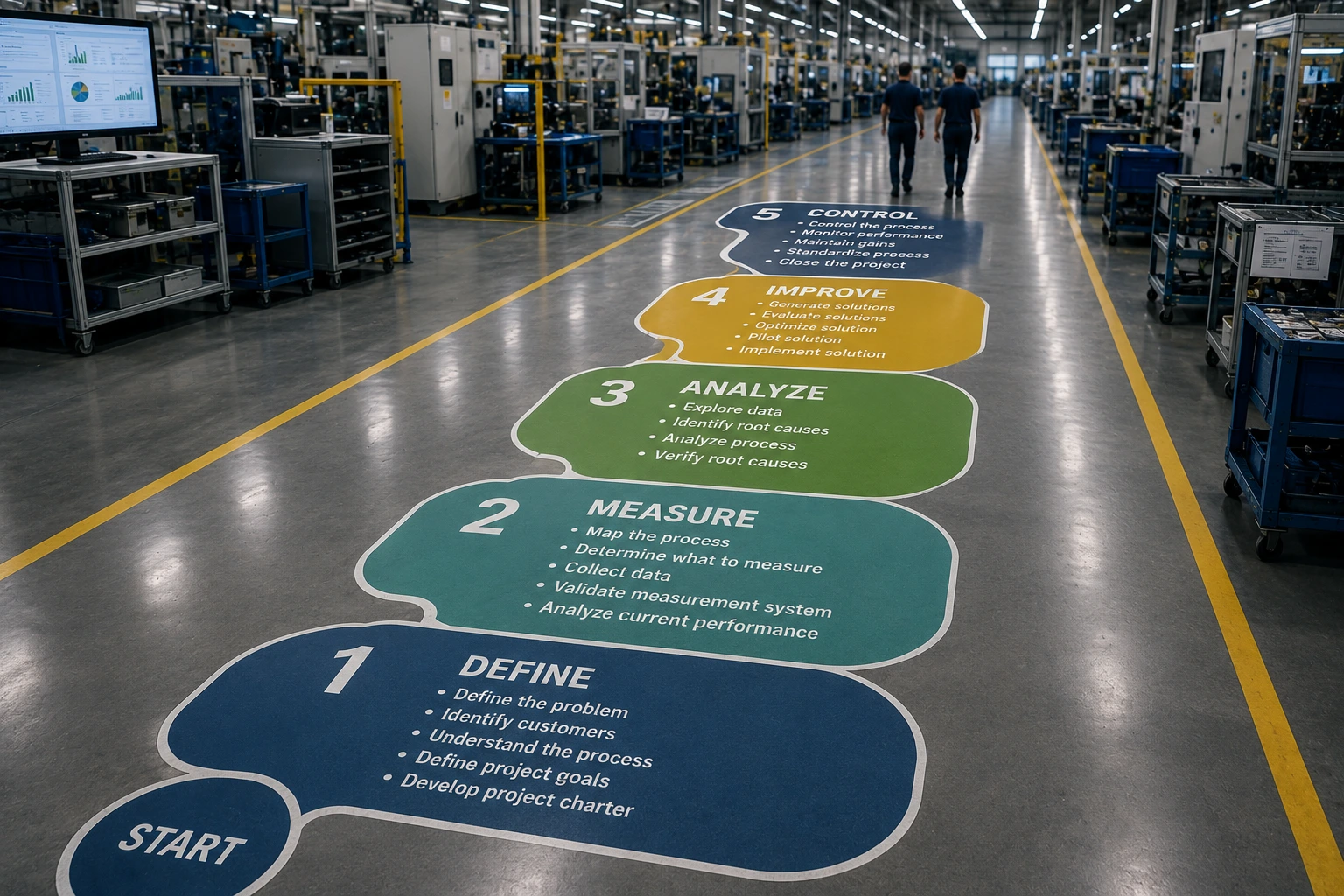
Expert support for improvement projects, rollouts, methodology application and project coaching.

Consulting on identifying meaningful automation potential and structured implementation of digital solutions.
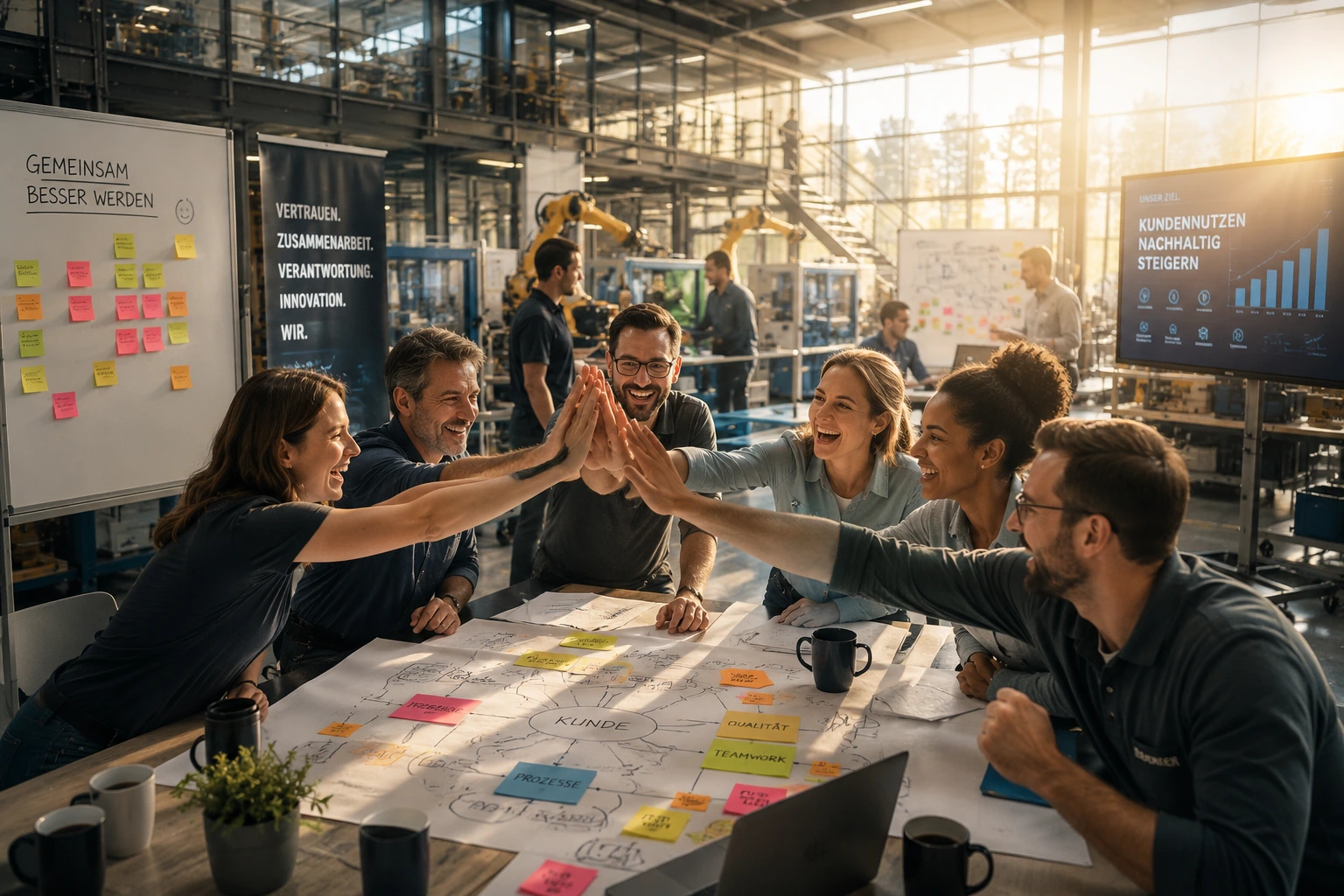
Orientation and guidance in developing a culture where improvement, ownership and principle-based thinking are lived daily.
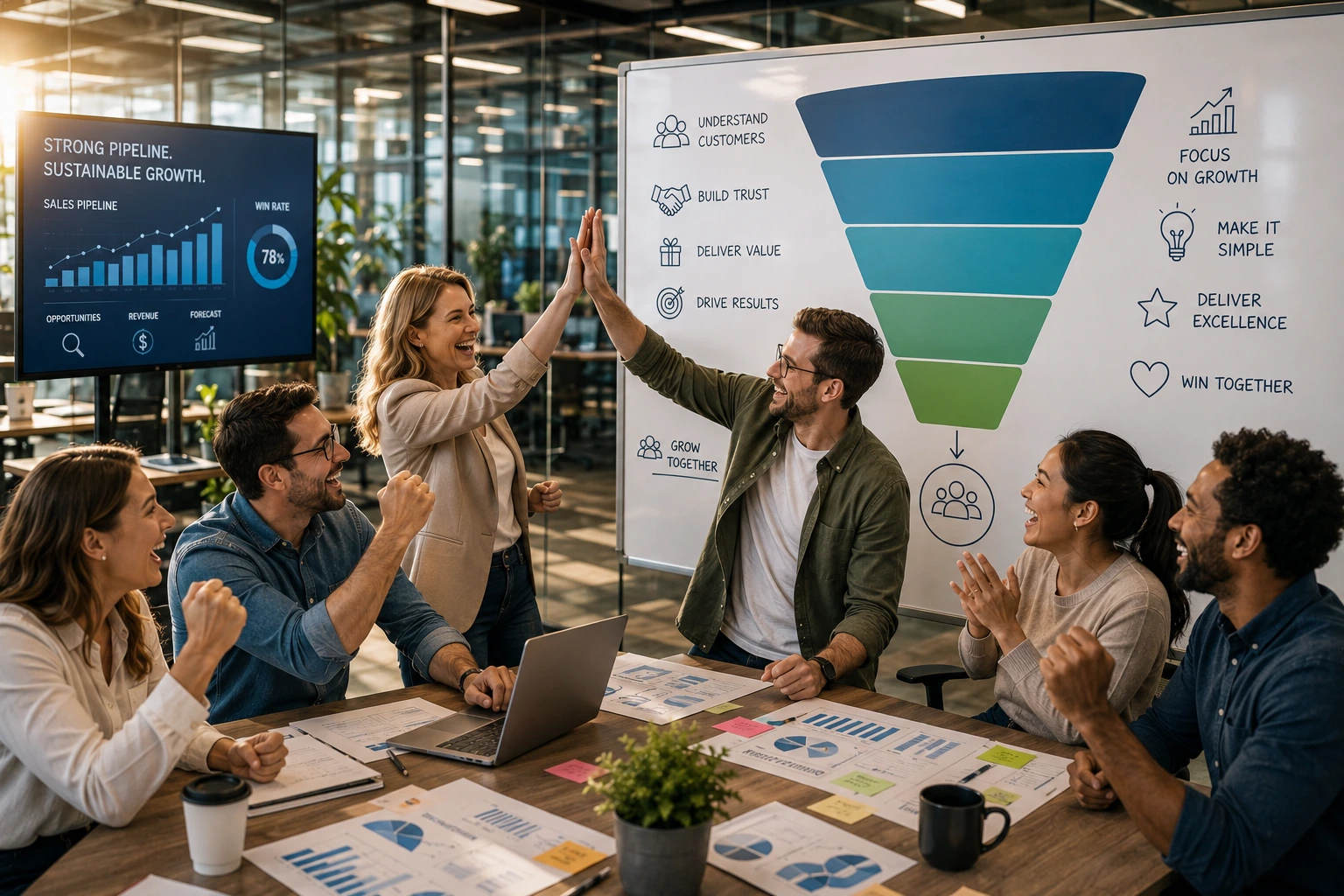
Improvement doesn't stop at production — we also help sales-facing teams make their processes and management more effective.
You describe your situation, your goal and the support you currently need.
Together we determine whether coaching, consulting or a combination makes sense.
We develop a pragmatic approach — matched to the goal, scope and people involved.
We provide expert, methodical and reflective support — remote, on-site or hybrid.
Knowledge, behavior and improvements should remain effective in everyday work — not just short-term.
After introducing Scrum, noticeable tension arose in a development team. The developers felt they had less freedom and were no longer allowed to self-organize. Together, we clarified the underlying causes and worked out that self-organization remains a central part of Scrum. In addition, the product backlog was refined so requirements, priorities and decisions became more transparent and traceable. This reduced misunderstandings and restored orientation, trust and ownership to the collaboration.
A tier meeting mainly consisted of presenting KPIs. Exchange, discussion and concrete improvement actions rarely happened. Together with the company, we worked on facilitation and introduced an action list. As a result, the meeting evolved from a pure numbers presentation into a more effective format for exchange, ownership and improvement.
In a Lean Six Sigma project, the relevant defect occurred only about once a month. The original metric „scrap“ made data collection very slow as a result. Together, we adjusted the metric: instead of looking only at scrap, an underlying length measurement was used. This made deviations easier to detect, sped up data collection and enabled more targeted root-cause analysis.


